What Are the Different Types of SEO
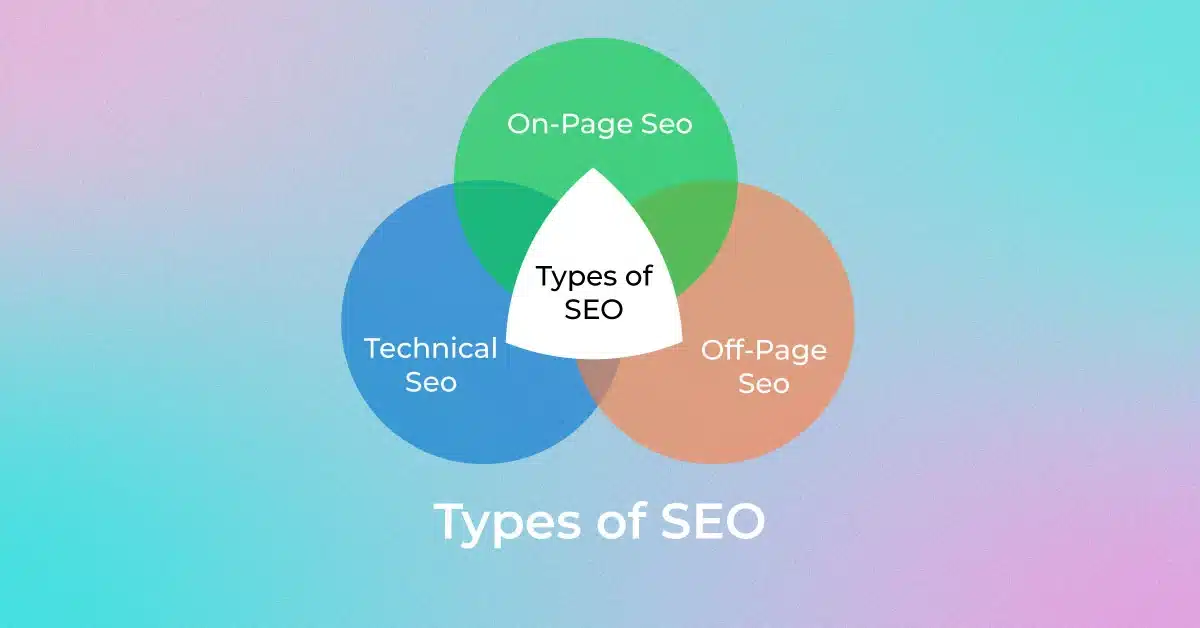
In today’s world, most people understand the benefits of SEO, such as improved visibility and increased traffic. However, they often overlook the fact that SEO is not a one-size-fits-all strategy. There are various types of SEO, each focusing on specific aspects of your online presence. If you still believe that SEO can be approached with a single standard strategy, you are mistaken.
This comprehensive guide will help you explore what is SEO and how it work, types of SEO, explain, and guide you on when to use them. By understanding these various SEO categories, you can create a more effective and winning strategy for your online presence.
Do You Know What SEO is?
Search Engine Optimization (SEO) is a process in which a website is optimized to improve its visibility on the search engine result pages. The main focus of SEO is to attract organic traffic by aligning your site with search engine algorithms. Organic traffic means non-paid traffic or non-ad search engine results after a user performs a search query.
What are the Different Types of SEO?
There are different types of SEO that help your website achieve the best results on Search Engine Results Pages. These various types of SEO include:
- On-Page SEO
- Off-Page SEO
- Technical SEO
- Local SEO
1. On-Page SEO
On-Page SEO is a type of SEO in which the content and HTML elements of the individual web pages are optimized to help them rank better on the search engines and earn more relevant traffic. On-Page SEO tells the search engines what your content is about and ensures that your content is user-friendly, structured, and valuable to your audience.
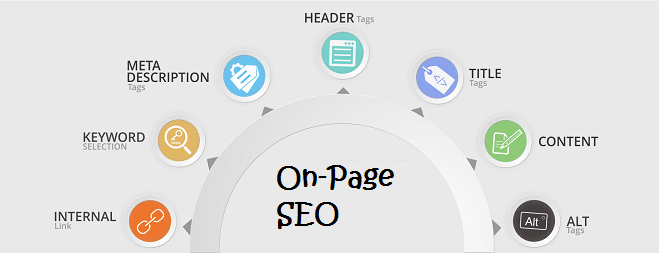
On-Page SEO involves different elements, including:
- Keyword research and placement
- Meta titles and descriptions
- Header tags (H1, H2, H3)
- Internal linking
- Image optimization (alt text, file size)
- URL structure
- Content quality and relevance
Keyword Research
Keyword research is the first step in On-page SEO. Determine the essential keywords you want to rank your business on the search engine. Do keyword research with the phrases that have high relevance and volume. Consider the keywords that have low competition.
Meta Titles and Descriptions
Meta titles and descriptions are important factors to improve the webpage’s click-through rate from the search results. These are valuable to enhance the user experience by providing context. Your meta titles and descriptions need to be unique for every page, and it is advised to avoid keyword stuffing to maximize the engagement of the user with your website and increase click-through rates.
Header Tags
Header tags (H1 to H6) are important factors in SEO as these tags provide a hierarchical structure, which is essential to improve the content readability and user experience for visitors. These header tags need to be perfect and organized properly, with an H1 tag for the main topic and subsequent H2-H6 tags to guide both users and search engines.
Internal Linking
Internal linking plays an important role in SEO as it can improve the structure of the website and help search engines crawl and index pages. By linking the related content strategically, websites can guide users to discover more information that can result in increased engagement and better rankings.
Image Optimization
Image Optimization is important to improve the page speed. The use of responsive images can enhance the loading times of websites and user experience by ensuring the images are sized perfectly for different devices.
URL Structures
A well-structured URL is important for SEO as it can directly impact the understanding of the search engines for your website content. With a good URL structure, you make it easy for the search engine and user to understand what the content of your website is about and its relationship to the overall site structure.
Quality Content
Quality Content is an important factor for SEO. Search engines always prioritize those websites or pages that contain valuable or authoritative content. Valuable content can fulfill the search query of the user, which leads to higher rankings and increased organic traffic.
2. Off-Page SEO
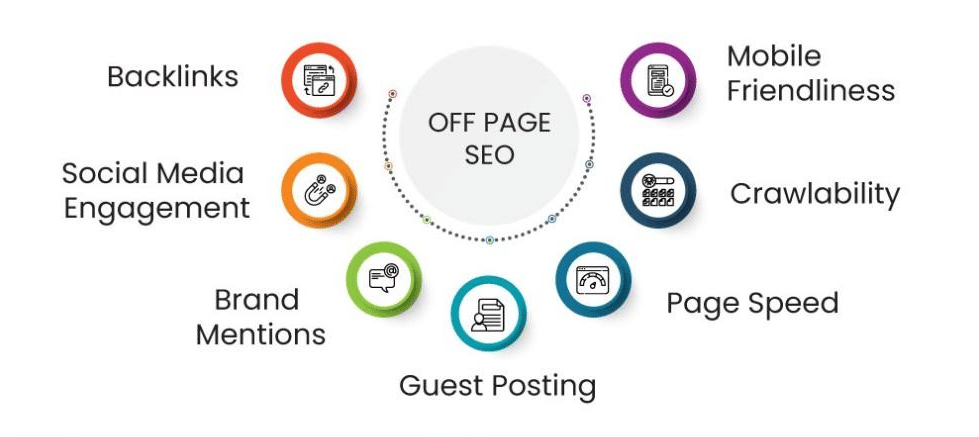
Off-page SEO refers to the activities performed outside of your website that aim to enhance its credibility, authority, and trustworthiness. These efforts contribute to sustainable growth and a stronger online presence by generating quality backlinks, engaging on social media, and increasing brand mentions. Together, these practices create external signals that showcase the value of your content to a wider audience. The different elements involved in off-page SEO include:
- Backlink building
- Social media signals
- Guest blogging
- Brand mentions
- Influencer marketing
Backlink Building
Role of Backlink building is important to improve the search rankings. High-quality backlinks from authoritative websites signal to the search engines the credibility and relevance of your content, which results in improved search rankings and organic traffic.
Social Media Signals
Social Media Signals are essential in Off-page SEO to boost the visibility of the content, generate indirect backlinks, increase brand awareness, and build authority. This can signal to search engines about the reputation and trustworthiness of the website.
Guest Blogging
Guest blogging is important in Off-Page SEO to build high-quality backlinks from reputable sites that can boost the credibility of the website and rankings on the search engines. It can also expand the brand’s reach to new targeted audiences and drive qualified referral traffic to your site.
Brand Mentions
Brand mentions play an important role in off-page SEO to build brand authority, boost visibility, and increase trust among users by signaling relevance to the search engines, which can contribute to a positive online reputation.
Influencer Marketing
Influencer marketing can build brand authority, drive high-quality backlinks from reputable sources, and expand brand visibility. With the association of your brand with the trusted influencers, you can leverage their credibility to signal to search engines that your website is trustworthy. This approach is best to improve the search rankings and increase traffic.
3. Technical SEO
If your content is of high quality, but your website is hard to navigate or slow, you may lose your potential customers and hurt your rankings. If you want your website to be properly structured and easy to crawl and index for your search engine crawlers, you can consider some essential elements of technical SEO.
The key elements of technical SEO include:
- Website speed optimization
- Mobile-friendliness
- Secure website (HTTPS)
- XML sitemaps
- Robots.txt file
- Structured data (schema markup)
- Canonical URLs
- Fixing crawl errors
Website Speed Optimization
Website speed optimization is important to enhance the user experience that leads to higher conversion rates. If your website loads quickly, you can engage your visitors with your website for a long time. The longer the time a user stays on your page, the lower the bounce rate. With website speed optimization, you can improve the search engine rankings and boost overall mobile performance, which can impact the potential revenue.
Mobile Friendliness
A website needs to be mobile-friendly as search engines like Google prioritize the indexing of those websites that are mobile-friendly. Most users search or access the web through mobile devices; to build trust and enhance user experience, a mobile-friendly website is crucial.
Secure Website (HTTPS)
HTTPS is important in SEO as it encrypts website data that can build user trust and improve user engagement with your website. Google uses it as a direct ranking signal that boosts HTTPS-enabled sites to higher positions on the result pages of search engines.
XML Sitemaps
Sitemaps are of two types: HTML and XML. HTML is for the user, while XML is for the Google crawler. XML sitemaps provide the roadmap to search engines to find, crawl, and index all the necessary pages and content on the website that can improve visibility and organic traffic.
Robots.txt File
A robots.txt file is an essential element of SEO that provides instructions to the search engine crawlers, helping to manage which parts of the website should be accessed and which should not. This file is important to protect sensitive information and optimize crawl budget.
Schema Markup
Schema markup is important to improve SEO by providing search engines with structured data. This can clarify the content of the webpage that leads to more informative search results, such as rich snippets, higher (CTR) Click-Through rates, and improve the performance of the websites.
Canonical URLs
Canonical URLs in SEO are important to identify the single and authoritative version of a webpage to search engines and prevent issues from duplicate content. This practice can improve the search ranking by focusing the SEO value on one preferred URL. These URLs can increase crawl efficiency and provide a clearer and consistent user experience by preventing confusion from multiple identical pages.
Fixing Crawl Errors
Fixing crawl errors is an important part of SEO as it prevents the search engines from indexing your pages and leads to lower search rankings. By fixing crawl errors, you can create an improved user experience, as these errors can lead to a poor user experience and the loss of potential customers.
4. Local SEO
Local SEO focuses on the searches in a specific geographic area. It is necessary for those businesses that want to improve visibility in the search engine at specific local locations. Local SEO checklist include:
- Google Business Profile (formerly Google My Business)
- Local citations and directory listings
- Reviews and ratings
- Location-based keywords
- Local backlinks
- NAP consistency (Name, Address, Phone Number)
Local SEO can help your business to show up in the first pages for “near me” searches. Google Maps results can attract customers in your local areas and can drive improved traffic.
Other Types of SEO:
Some other types of SEO that can be beneficial for improved visibility of your website may include:
E-commerce SEO focuses on optimizing the online store’s and product pages to increase visibility and conversions. Here are some important elements of E-commerce SEO may include:
- Product title and description optimization
- Unique product URLs
- Image alt tags
- Structured product data
- Customer reviews
- Category page optimization
- Internal linking between products
Millions of online products are available, and ranking higher among these millions of products can be challenging. Here, E-commerce SEO comes in and offers an improved shopping experience for your users that leads to sales.
Content SEO involves the creation and optimization of the content that can align with the search intent and increase organic traffic. In Content SEO, content planning, strategy, topic clustering, pillar pages, blog optimization, use of LSI keywords, and answering user questions are the main elements.
With the high-quality and optimized content, you can attract and retain users who build authority and lead to improved rankings.
Conclusion
Different types of SEO work together that can lead to improved visibility, traffic, and user engagement. From on-page content to fixes in the technical backend and local strategies, SEO helps you transform your online presence. The best approach to increased visibility is to develop a holistic and strong SEO strategy that can combine different types depending on the business goals, audiences, and competition.
Frequently Asked Questions About the Different Types of SEO
Question 1. What are the Common Mistakes to Avoid in SEO?
Answer. Here are some common mistakes you need to avoid in SEO may include:
- Keyword stuffing
- Buying low-quality backlinks
- Ignoring technical issues
- Overlooking mobile performance
- Not updating content regularly
- Neglecting user experience
Question 2. I have a small business. Can SEO be beneficial for improving my business’s visibility online?
Answer. It is not essential that you need a big business; whether you are a small business owner, content creator, or digital marketer, SEO can be beneficial to increase your visibility on the search engines and attract more traffic.
Question 3. What are the accurate character limits for meta titles and descriptions?
Answer. A perfect meta title contains accurate, keyword-rich content and is around 55-60 characters. Your meta description should be compelling and contain 155-160 characters.
Question 4. What is technical SEO?
Answer. Technical SEO is also known as on-site SEO, which focuses on improving the backend structure and foundation of your website to ensure that it is easy for the search engines to crawl and index.
Question 5. Why is a mobile-friendly site important?
Answer. A mobile-friendly site can ensure that your content is accessible and engaging on the smaller screens, which can improve online presence and result in higher user satisfaction.
Question 6. Why are secure websites considered best for SEO?
Answer. Secure websites can result in increased visibility and enhanced user trust that can contribute to a better user experience, lower bounce rates, and improved overall site performance and authority.
Question 7. Is SEO just about keywords?
Answer. SEO is more than just about keywords. Search Engine Optimization involves the user experience, website structure, content quality, link building, and much more.